Diyala University’s Master’s Dissertation on Advanced Techniques for Estimating Residual Stresses
News of Universities
410
27-04-2026
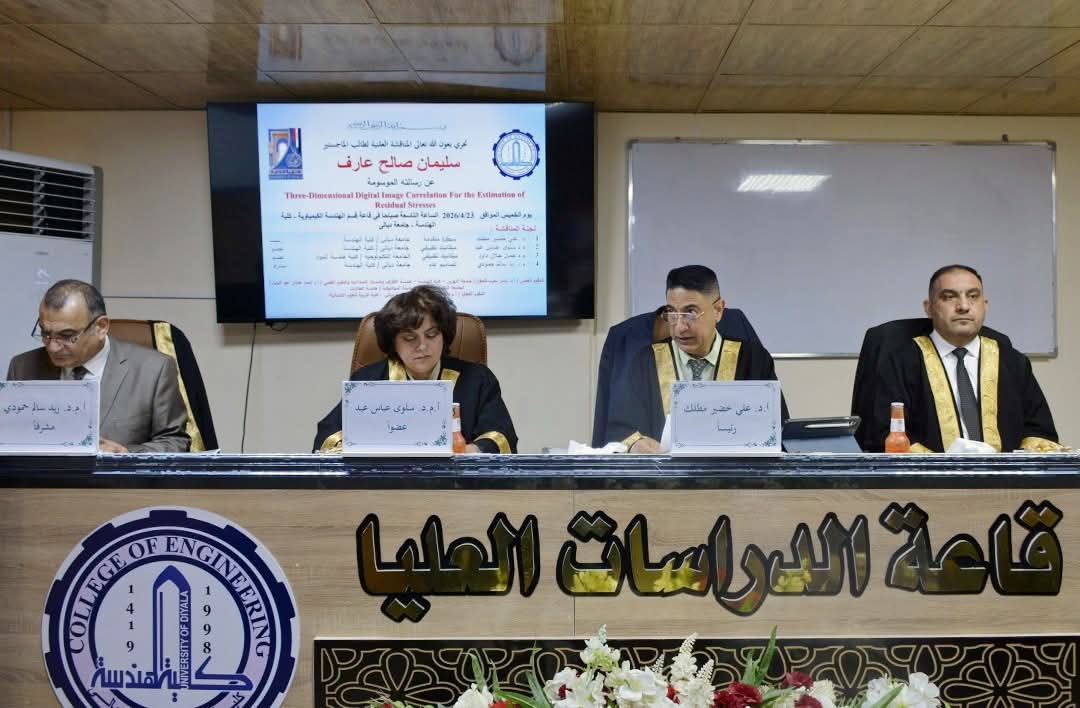
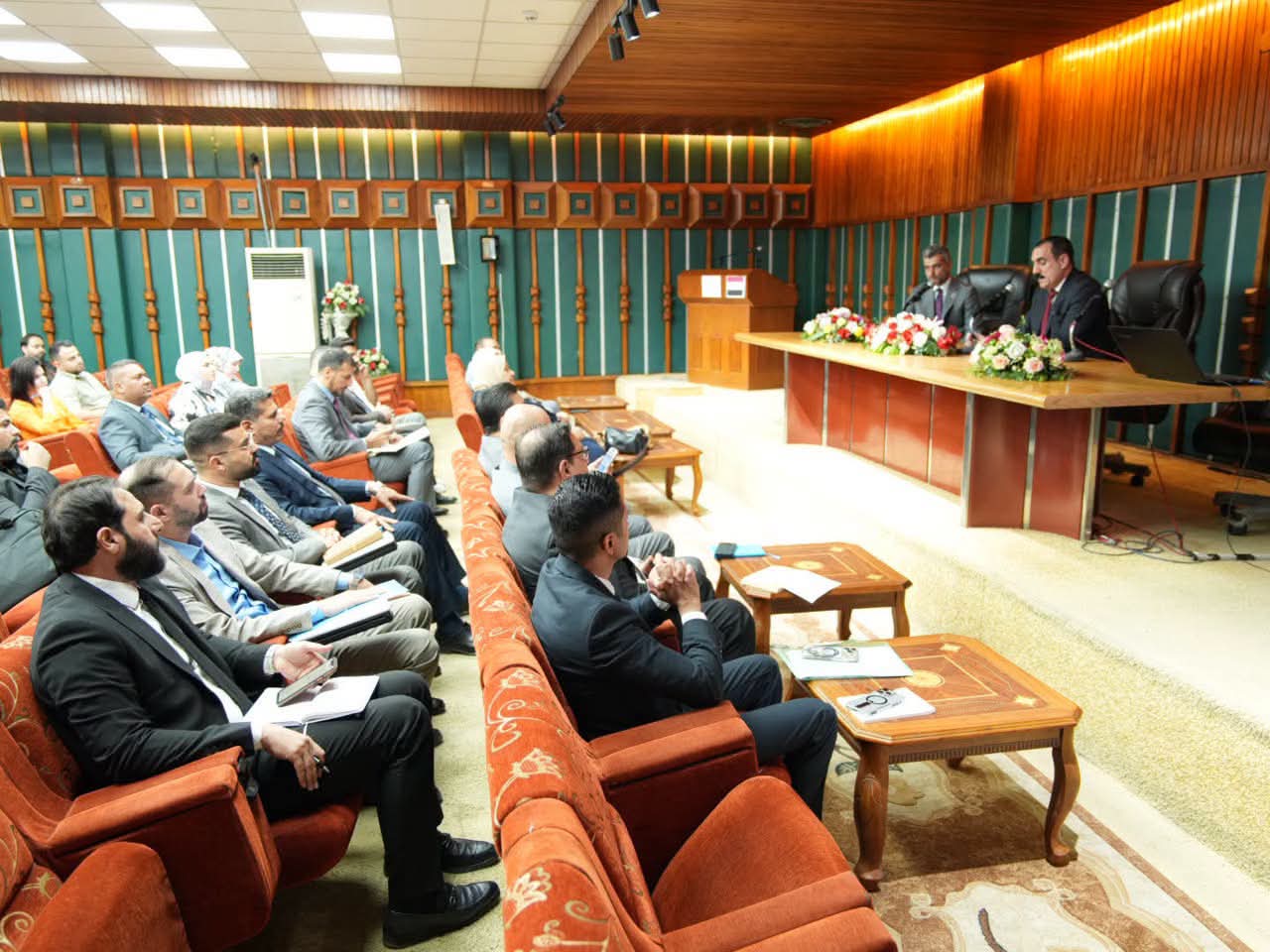
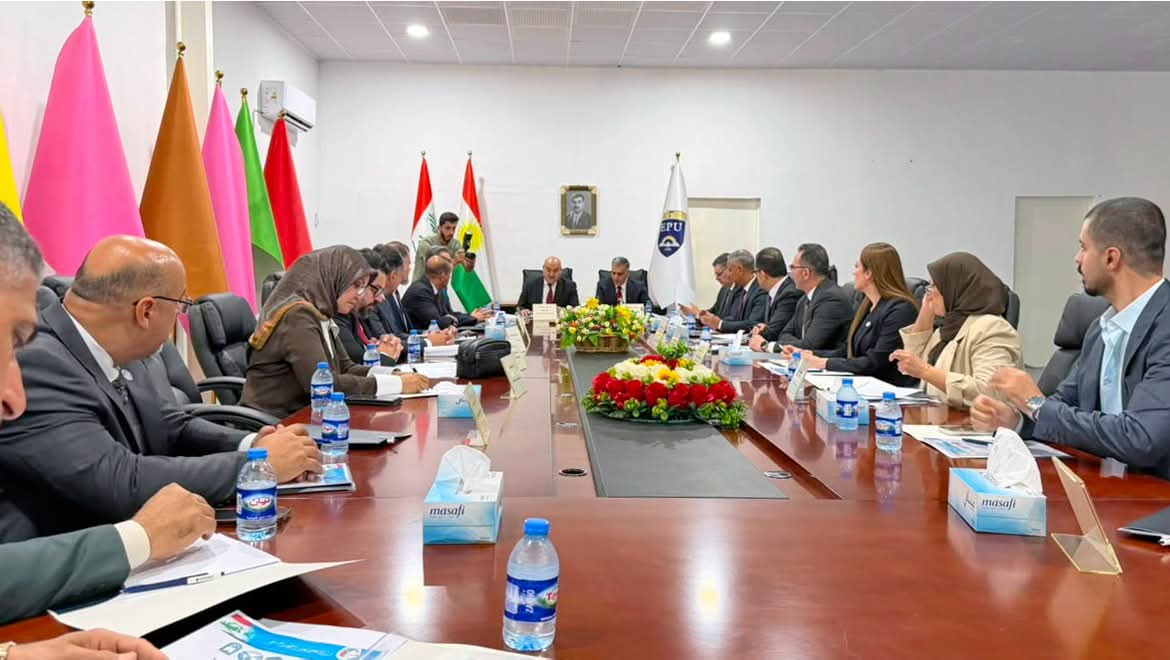
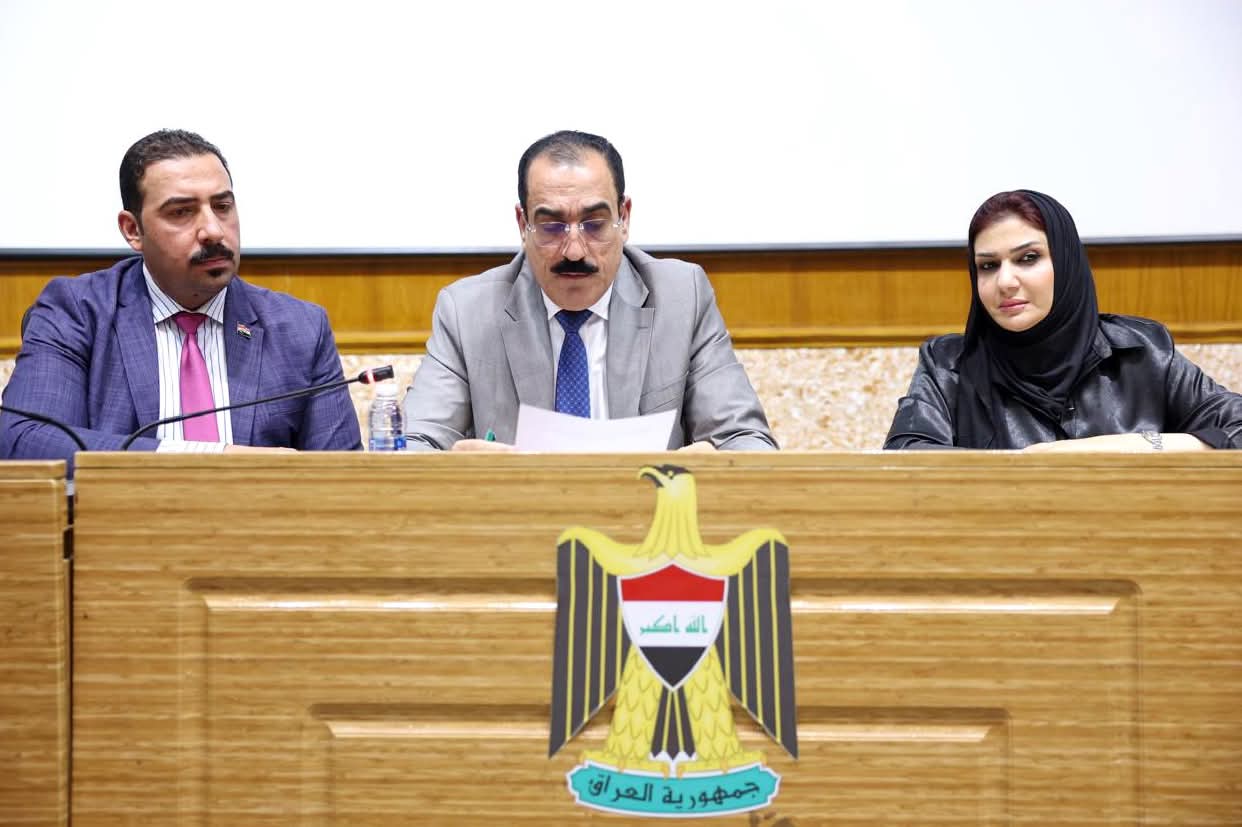
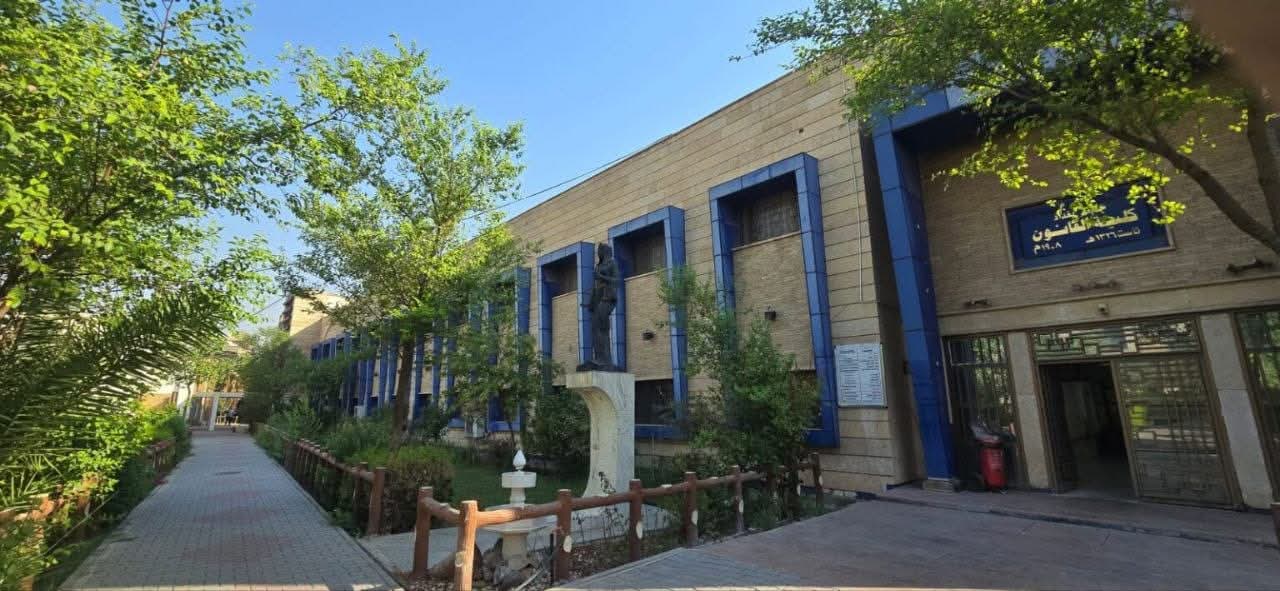
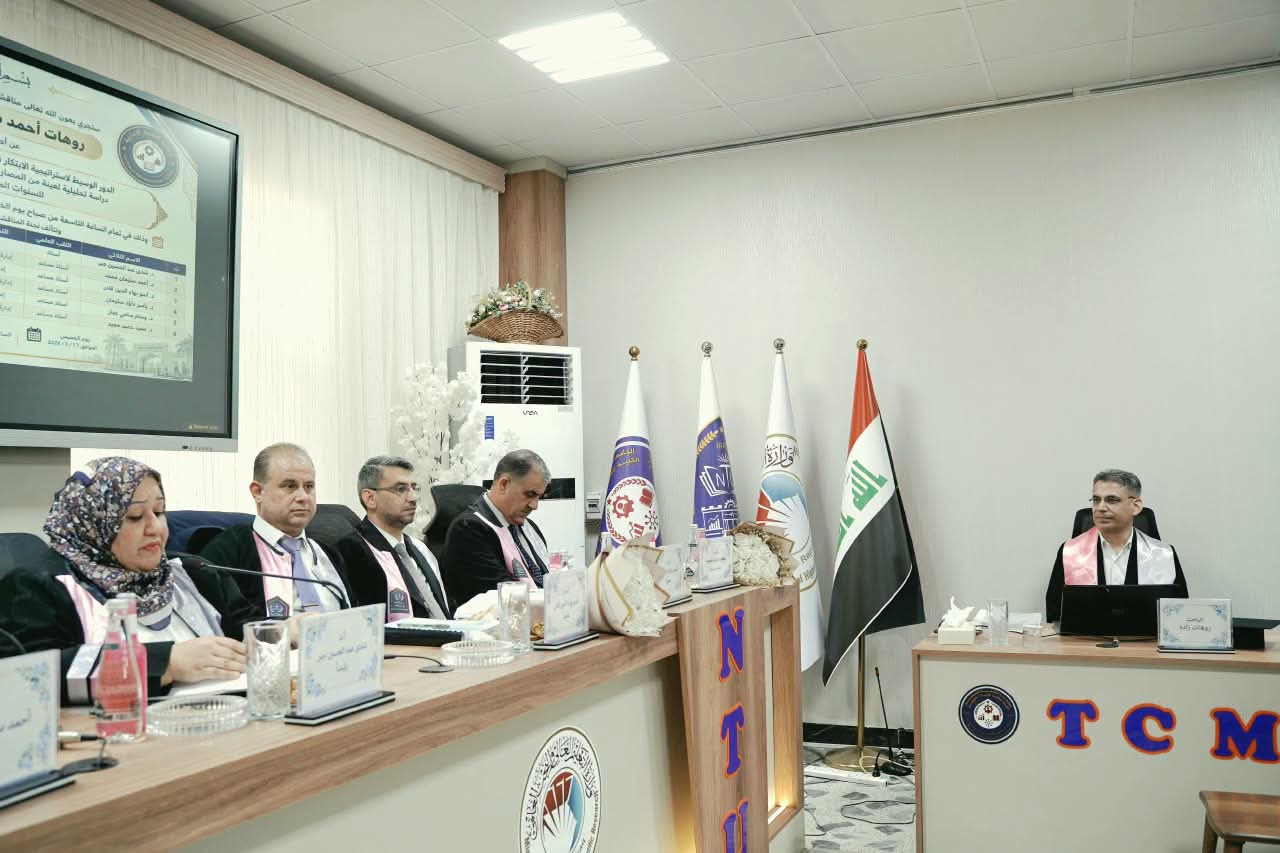
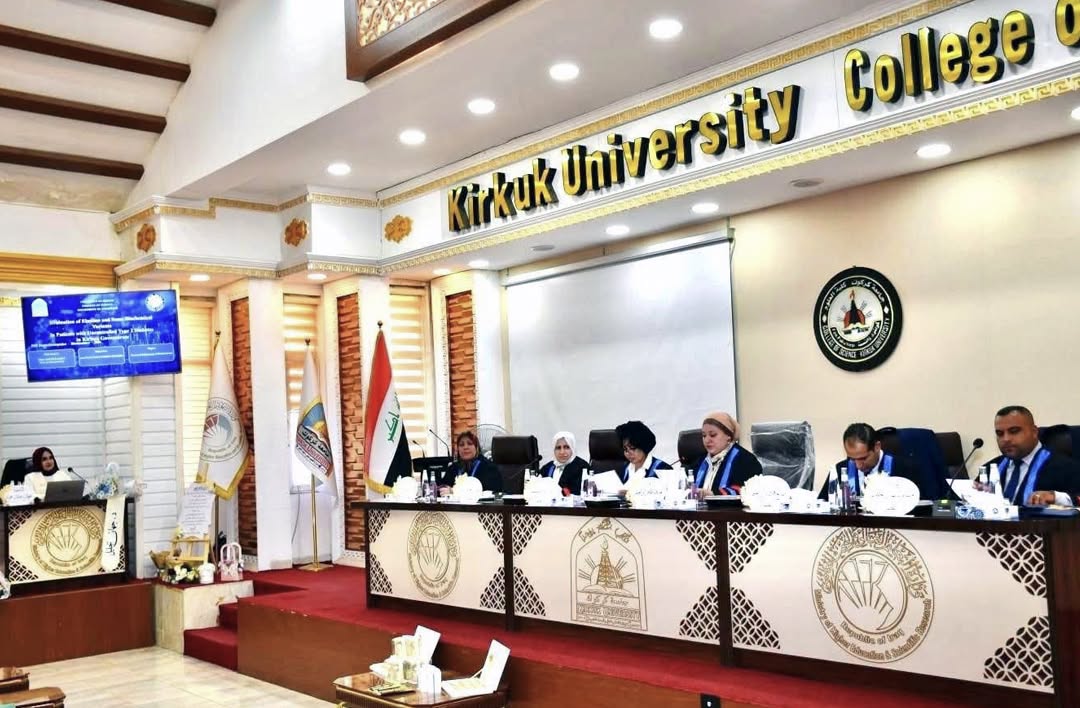
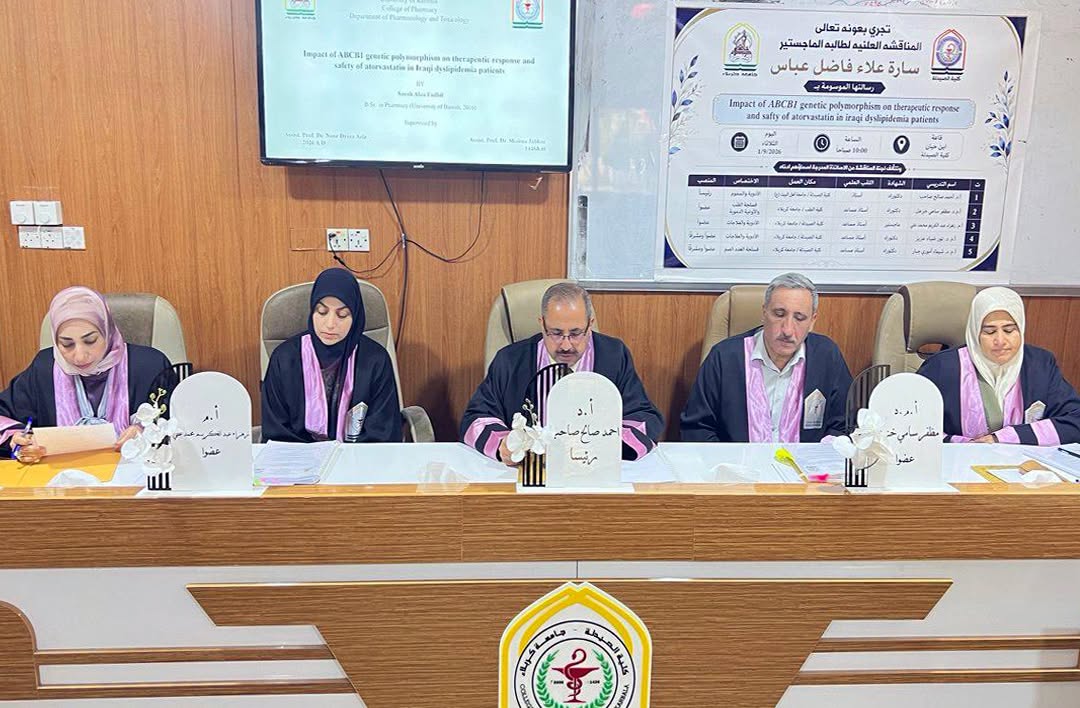
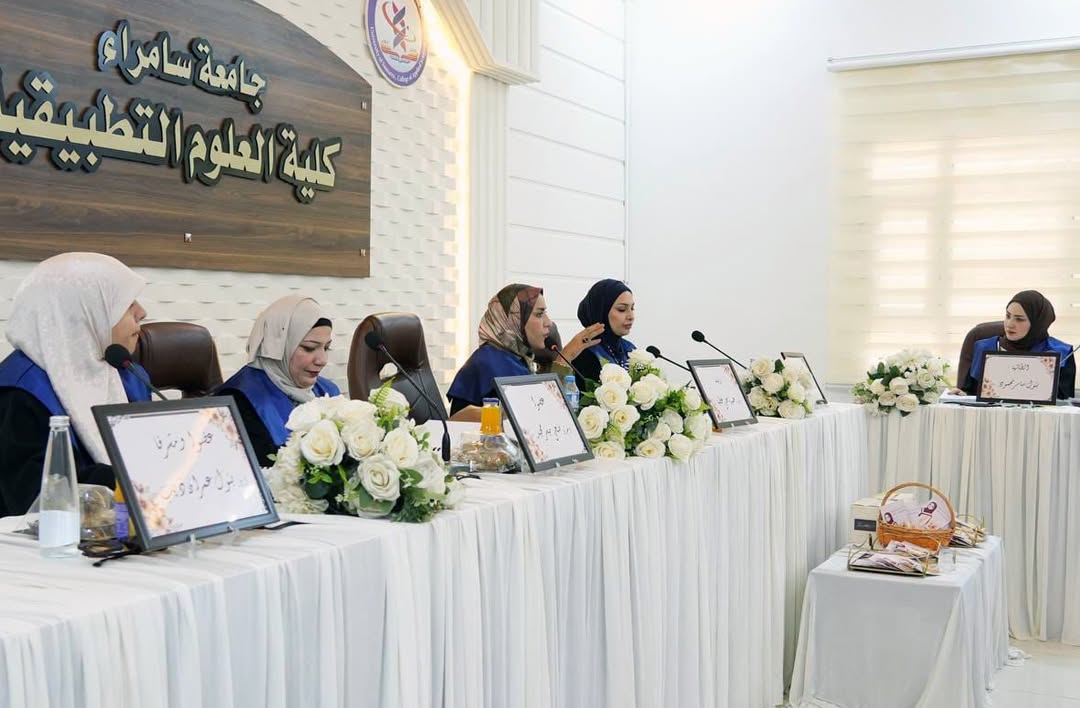
The College of Engineering, Diyala University discussed a master dissertation on the digital correlation of 3D images for estimating residual stresses by the postgraduate student, Mr. Suleiman Saleh Aref.
The dissertation aimed at evaluating the accuracy of residual stress measurements using modern techniques that combine digital image correlation with the drilling method, given their importance in ensuring the safety of structures and reducing the likelihood of structural failure.
The dissertation included two main applications, the first compared the performance of 2D-DIC and 3D-DIC techniques in stress analysis on aluminum samples and the superiority of the 3D-DIC technique, with a concordance rate of 93%, compared to 88% for the 2D-DIC technique.
The dissertation demonstrated that 3D-DIC technique was also used to measure stresses on curved surfaces, achieving concordance rates ranging from 83% to 93%, depending on the type of loading.
The dissertation reviewed that the 3D-DIC technique combined with the perforation method is an accurate and non-contact method for measuring residual stress on flat and curved surfaces, although some challenges related to calibration and application complexity exist, despite the higher accuracy of the results.
The dissertation recommended developing calibration methods suitable for curved surfaces, expanding the study of anisotropic materials, and adopting more accurate analytical models in future research.